Week 2 Reflection: Learning about Reflective Blogging
What Happened: Discovering What Makes a Good Blog Post
This week’s focus on “What Makes a Good Blog Post” could not have come at a better time. I had just set up my blog and written my first reflection, so I was definitely looking for tips on how to make my posts more engaging and more organized. The lesson walked through the basics of good blogging, like using hyperlinks properly, adding images or videos, giving credit where it’s needed, and going beyond simple summaries to actually think critically about a topic.
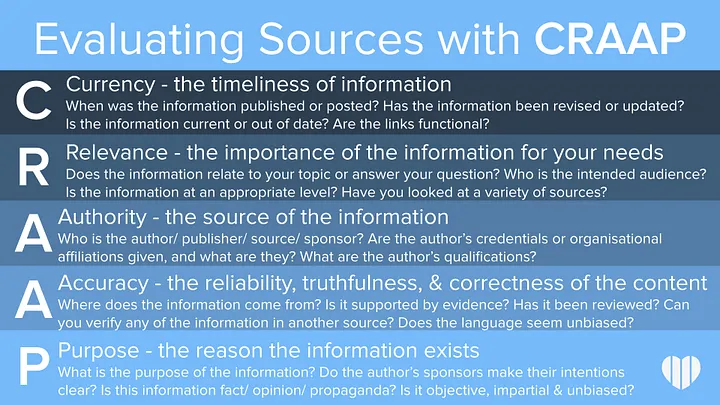
The most helpful tools for me were the “What, So What, Now What” reflection model and the CRAAP test for evaluating sources. Coming from a Computer Science background, I really liked how these frameworks gave me a clear, structured way to approach reflection and source evaluation. It reminded me of how we rely on design patterns or debugging strategies in programming, but applied to writing and thinking instead.
Understanding Digital Literacy as a Skill
Learning about the CRAAP framework for evaluating online resources was especially useful for me. With so much of our learning happening online, it is easy to feel overwhelmed or unsure about which sources to trust. The framework breaks things down into five simple questions: Is it current? Is it relevant? Who created it? Is it accurate? What is its purpose? These questions form a practical checklist for judging whether a source is reliable.
In a time when misinformation spreads quickly and everyone is posting something, having a clear method for evaluating credibility feels almost like having an internet filter you can rely on. It helps students, educators, and anyone who spends time online make smarter decisions about which sources to use instead of depending on whatever appears at the top of a search result.
Now What: Applying These Principles
Looking ahead, I want to actually put these ideas into practice. I plan to use the What, So What, Now What framework in my reflections so that I go beyond surface-level thoughts and dig a bit deeper. I also want to add multimedia in a more intentional way, choosing images or videos that genuinely support what I am trying to say. When I look at new tools or resources, I will use the CRAAP framework to check their quality, and I will make a habit of discussing both the strengths and the limitations of whatever I am exploring. I also want to be more thoughtful with my hyperlinks by connecting to useful resources, classmates, and related ideas that strengthen our shared learning space. Finally, I hope to strike a good balance between being myself and being professional as I continue developing my digital identity.
Key Takeaways
Educational blogging takes more than knowing how to use the tools. It requires critical thinking, intentional choices, and an awareness of what to share publicly and what to keep private. These posts are not just assignments. They are chances to build digital literacy, shape a professional identity, and practice real reflection. The frameworks and techniques from this week give me a solid foundation for creating posts that feel meaningful, engaging, and connected to larger conversations in education.